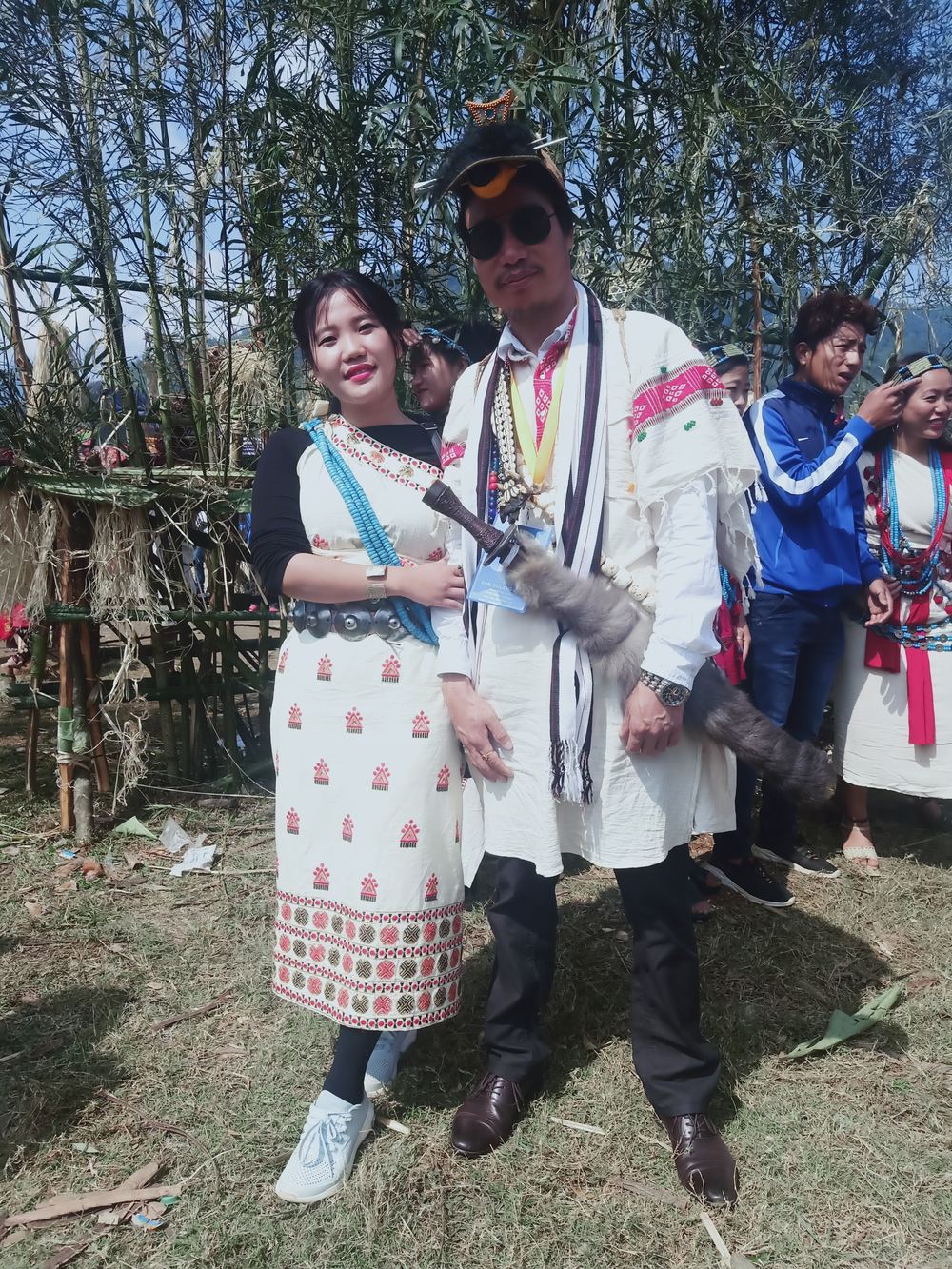
Recording
Nyishi
Paya lincho · thank you
Papum Pare, Kurung Kumey, East Kameng and more
Photo: Dolangpoly1, CC BY-SA 4.0
A living dictionary of Arunachal Pradesh
Words, phrases and the sound of them, written down with the people who speak them, village by village.
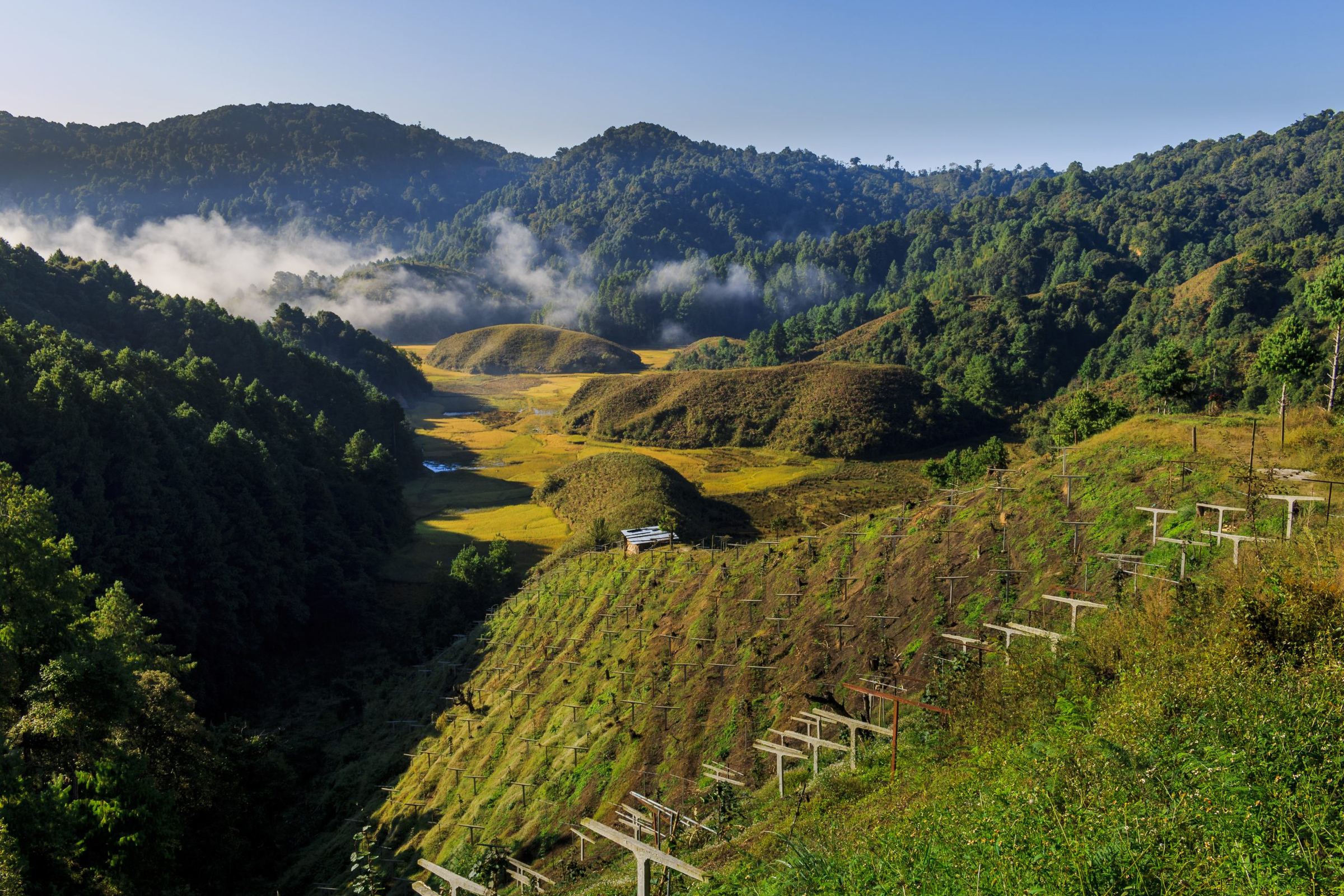
Apatani valley, Ziro · Photo: Vishnu P, CC BY-SA 4.0
Why this matters
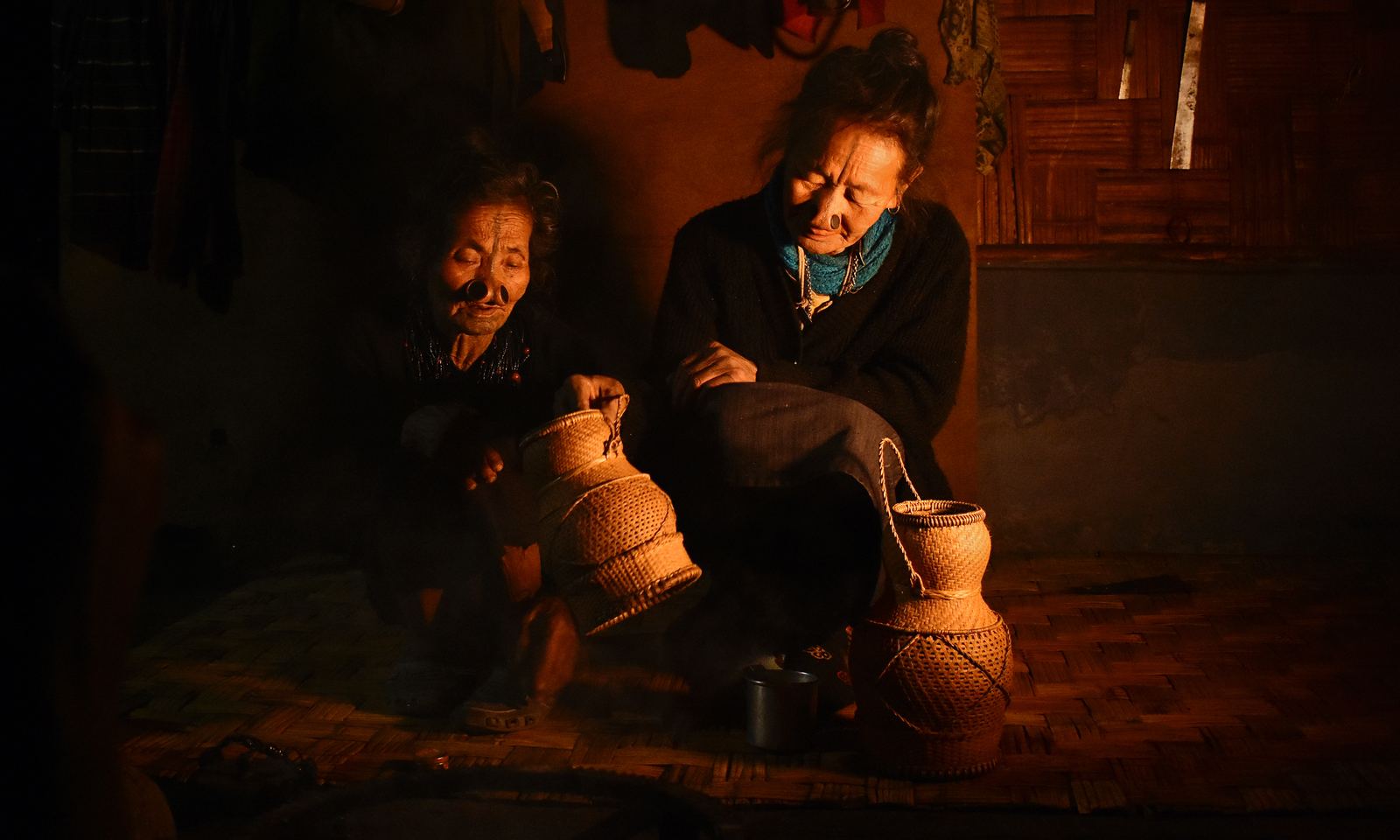
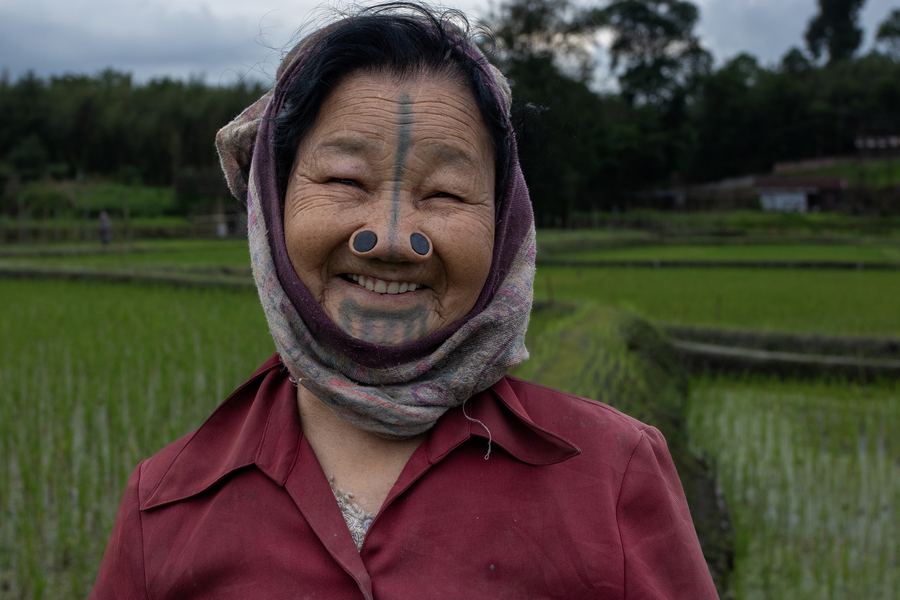
In Arunachal, a language can change from one valley to the next. Many have no standard script and no dictionary. They live in kitchens and fields, in songs and festivals, and in the memory of our elders.
When an elder goes quiet, words go with them.
Vocal of Local writes those words down, with the sound of them, so that the next generation can still hear them.
The idea
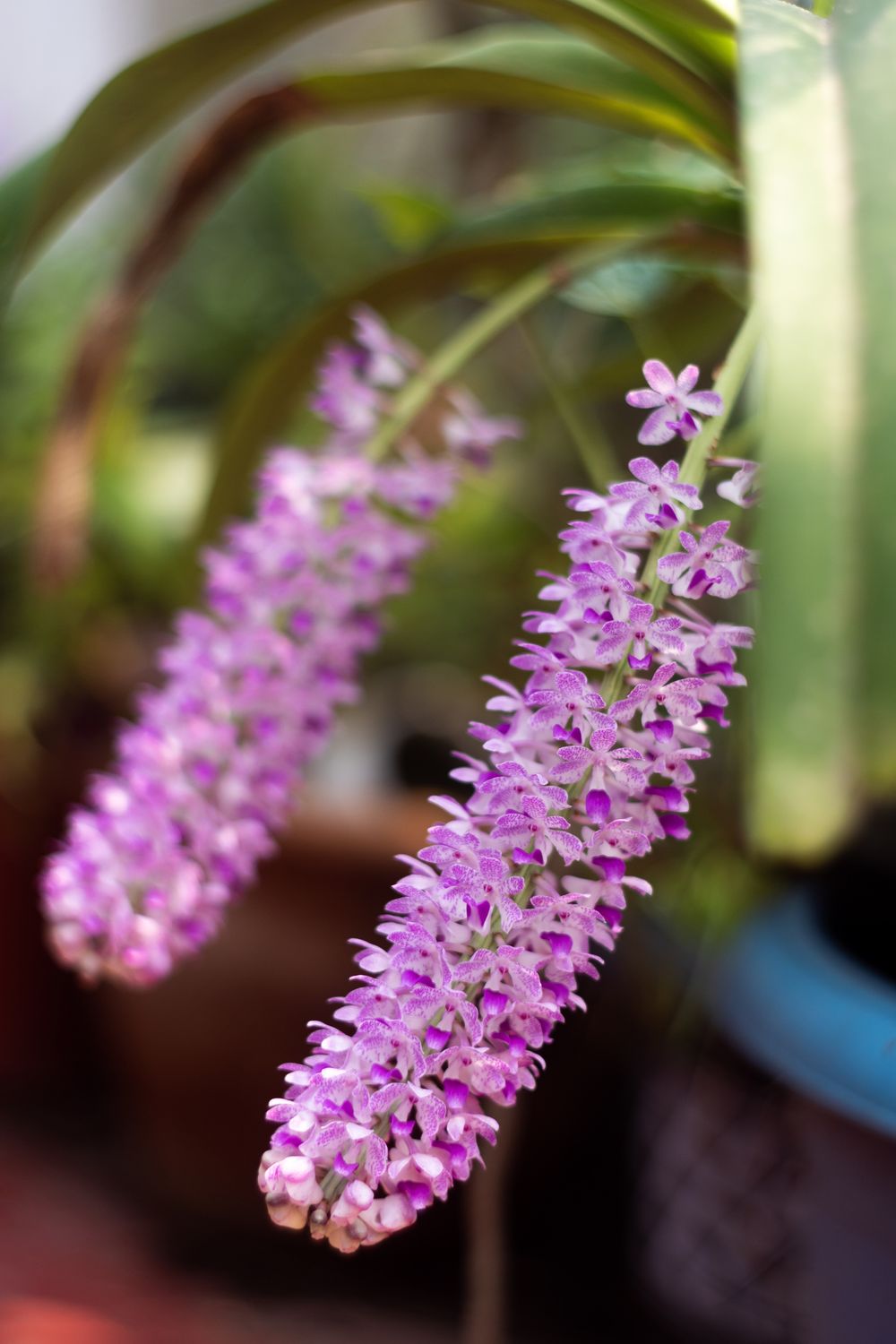
The foxtail orchid, Arunachal’s state flower, carries dozens of small flowers on a single stem. Our languages grow the same way: one language, a slightly different voice in every village. VOL keeps each one, side by side, instead of choosing a single “correct” version.
Pick a word
Thank you
Spellings as written by speakers in VOL’s word sheets. Recordings are on their way.
Being recorded now
Arunachal is home to dozens of languages. We start with four, do them carefully, and grow from there.
Paya lincho · thank you
Papum Pare, Kurung Kumey, East Kameng and more
Photo: Dolangpoly1, CC BY-SA 4.0
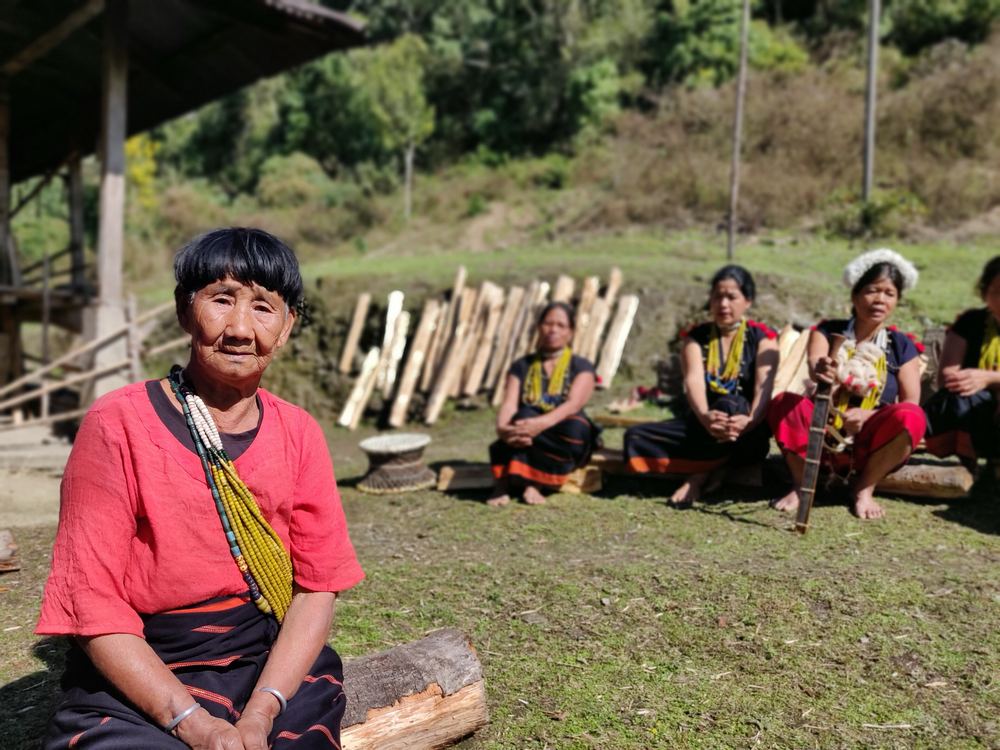
Aido · thank you
East Siang, Siang, Upper Siang and more
Photo: RIWATCH, CC BY-SA 4.0
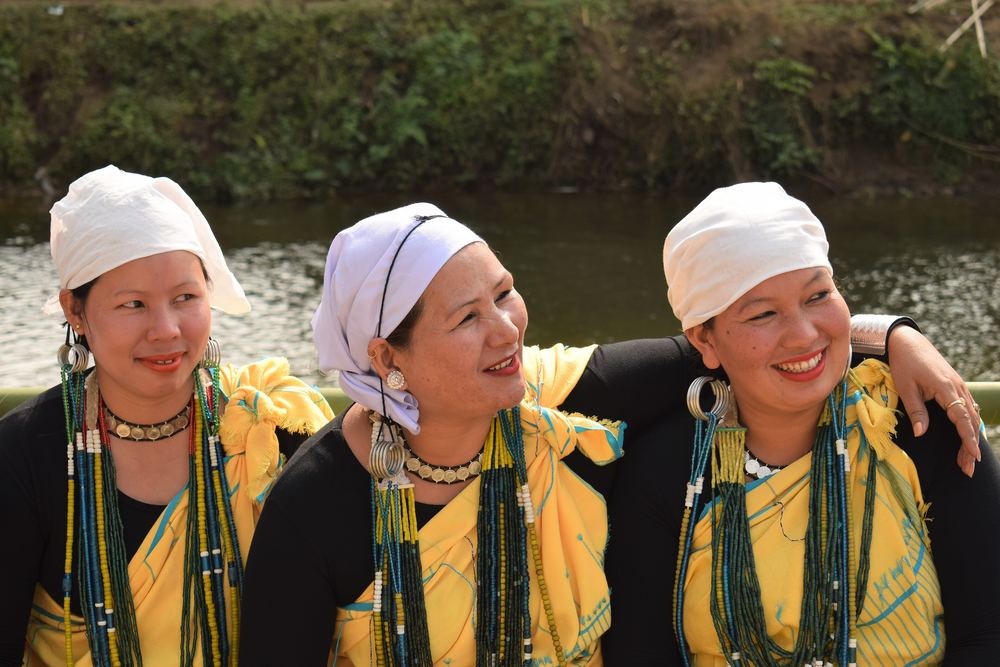
Ekke Ja · thank you
West Siang, Lepa Rada, Lower Siang
Photo: Vyjayrao, CC BY-SA 4.0
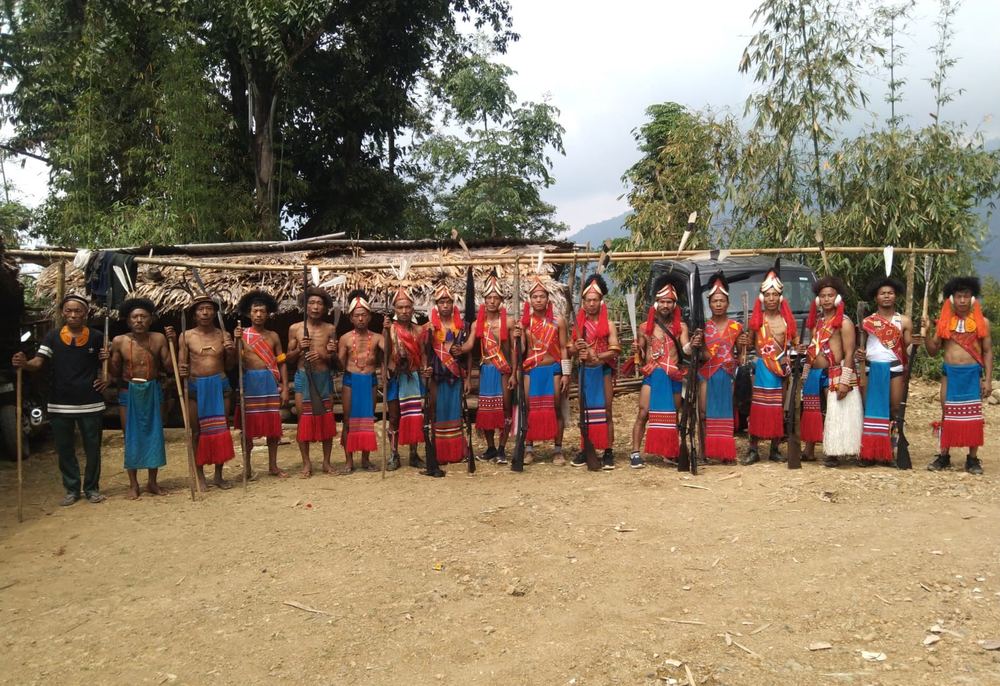
Namphui · thank you
Longding
Photo: MonyaRiba, CC BY-SA 4.0
Every language of Arunachal deserves its place. These are on our list, and each will bloom in its turn.
Don’t see your language? Tell us, and help us add it →
How a word is kept
A word is not “done” the moment it is written down. It grows through four checks, and we always show you how far it has come.
A speaker says the word. We write the local spelling and a simple way to say it.
The speaker hears it back and confirms: yes, that is how we say it.
Other speakers from the same area agree, so it is not one person’s word alone.
Elders and the community give the final word. Then it is ready for everyone.
A real speaker’s recording always plays first. Where there isn’t one yet, an AI voice fills in, and it is always labelled “AI voice”.
Anyone can mark a word as disputed. A language belongs to the people who speak it, and we listen.
Local spelling, a simple pronunciation, the recording, IPA for researchers, verb forms and notes, each kept separately.
Coming soon
Posted to a school in a far valley? Visiting family in the village? Learning your grandmother’s language? The VOL app will carry the phrases you need, in each language, with the sound of them.
Help and safety
Help!
Hika ridum la ke
Getting by
Thank you
Ekke Ja
Good morning
Rogam Be
How much?
Yad gobre?
Water
Issi
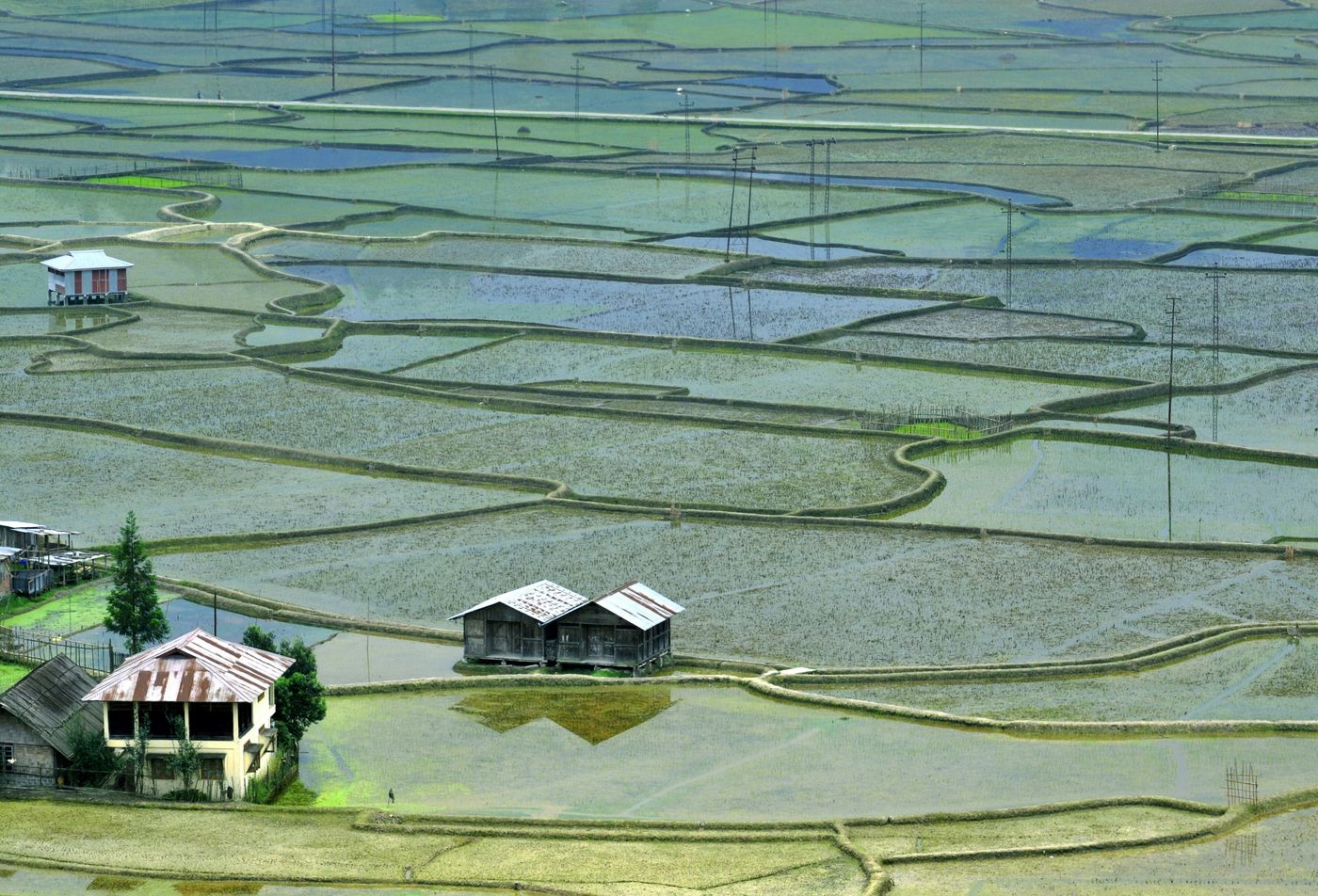
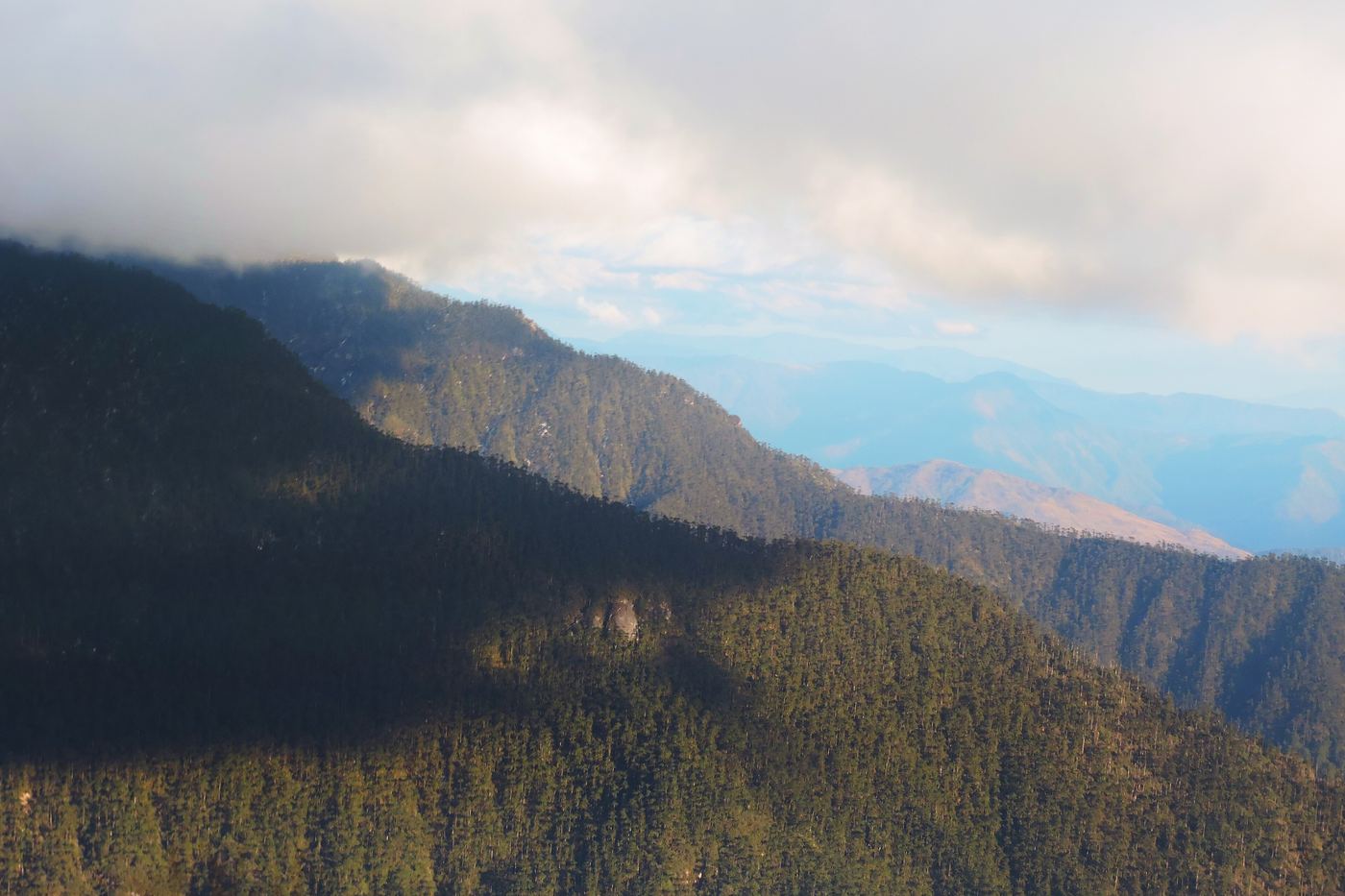
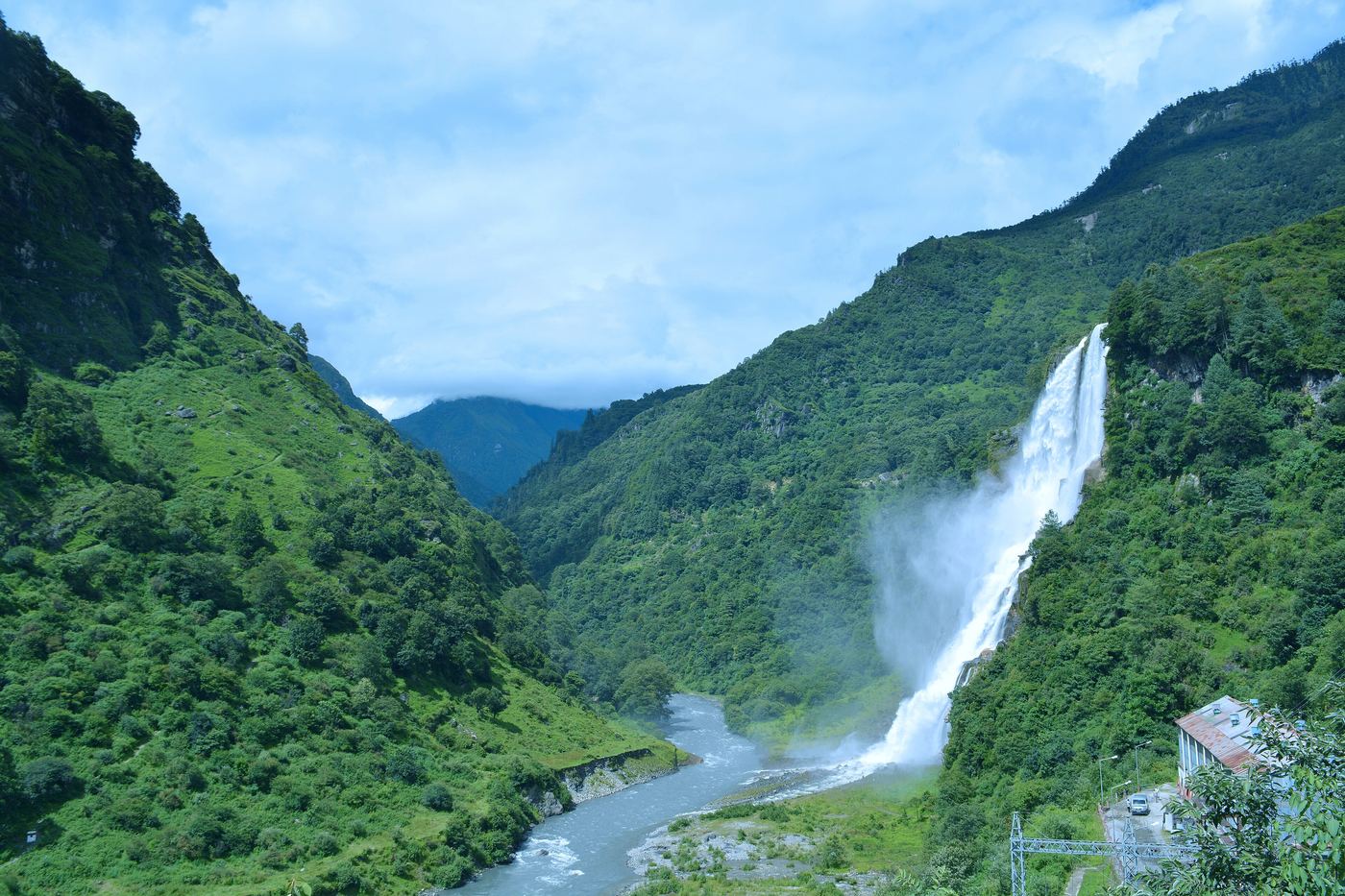
Where the words live
Join us
A language lives as long as someone speaks it. If you speak Nyishi, Adi, Galo, Wancho, or any language of Arunachal, help us keep it for the ones who come after.
Share the words you grew up with. We come to you, listen, and record with care.
Help collect and check words in your own village or district.
Bring your children’s mother tongue into the classroom.
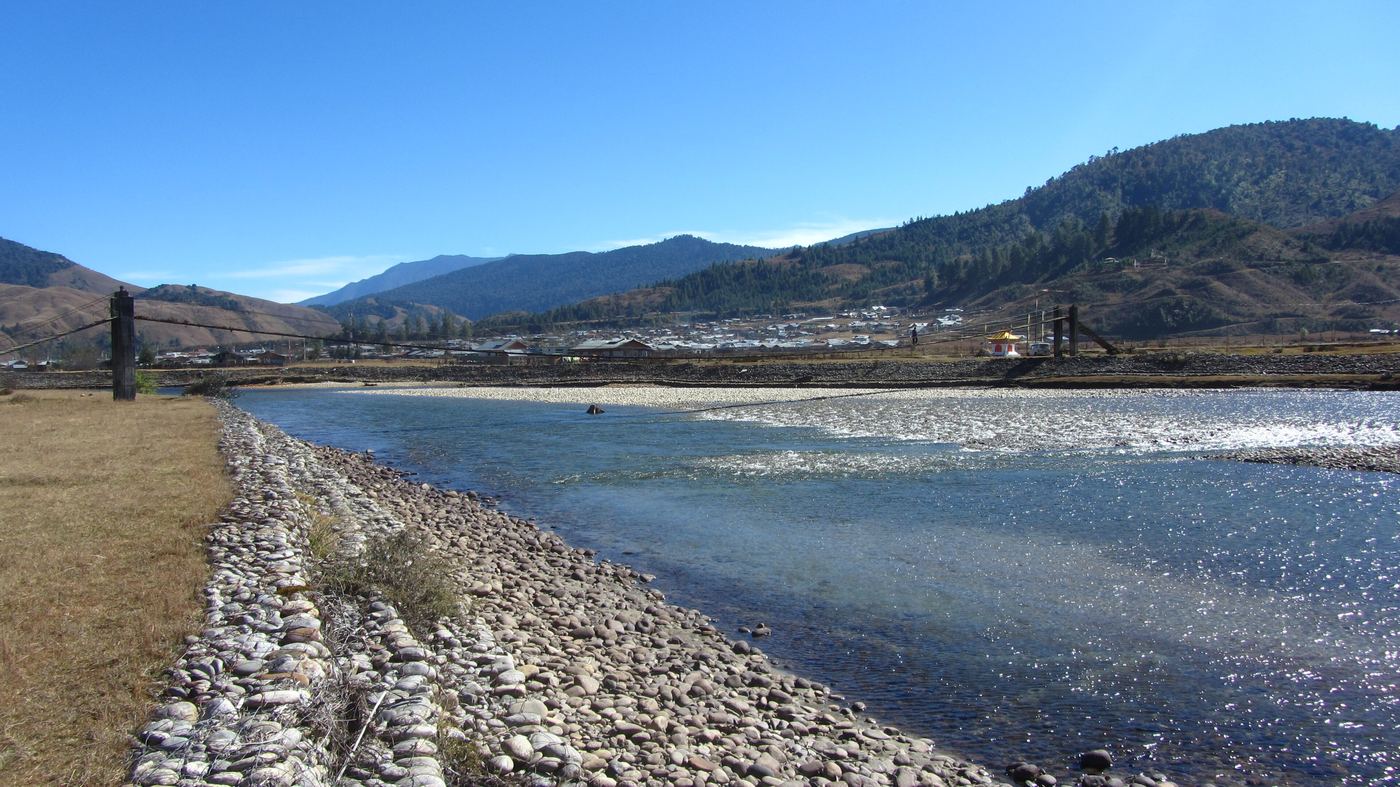
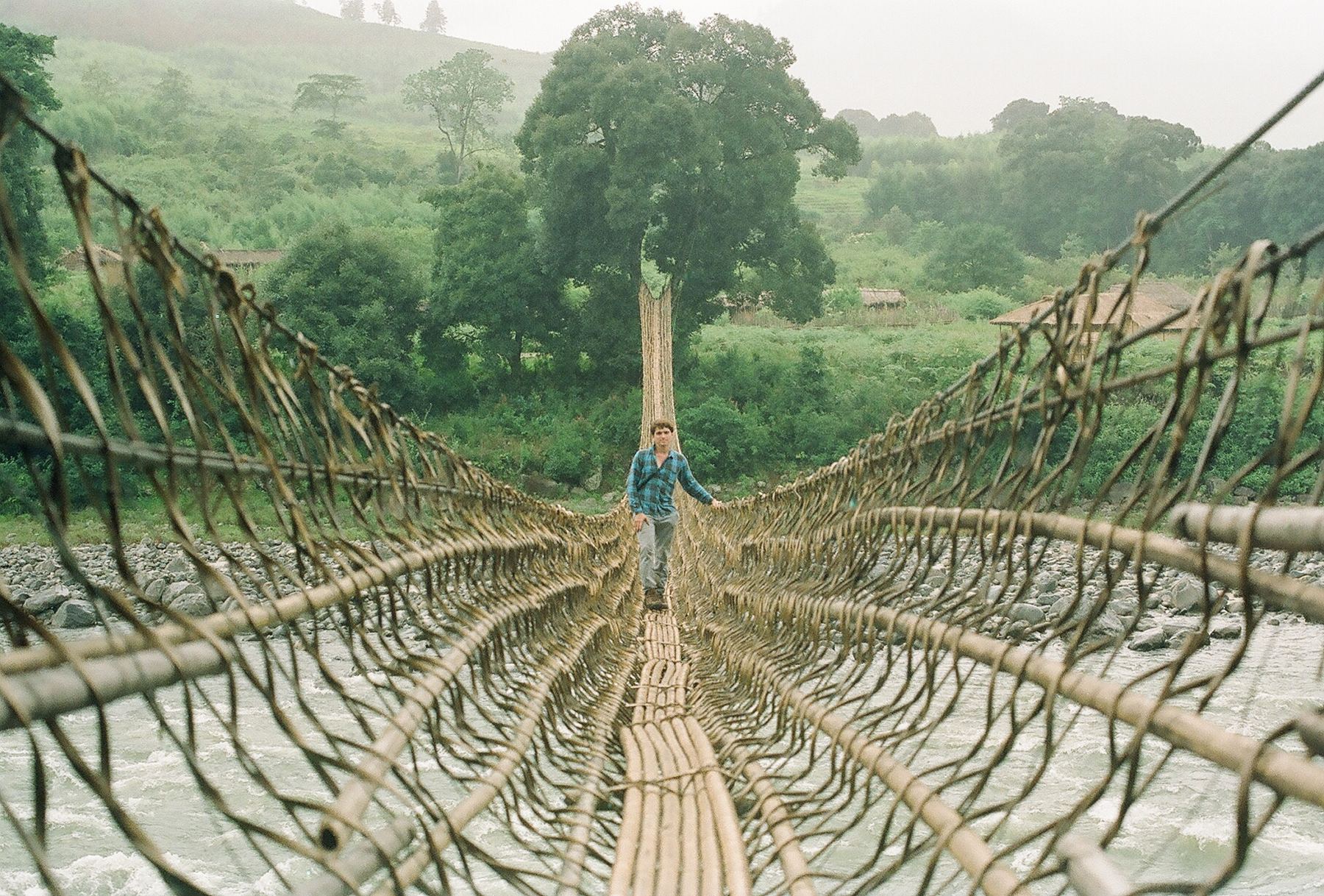
Cane bridge over the Dri river, Dibang Valley · Photo: goldentakin, CC BY 2.0